Under-Pillow Pocket Bluetooth Speaker: Sleep Sound Guide
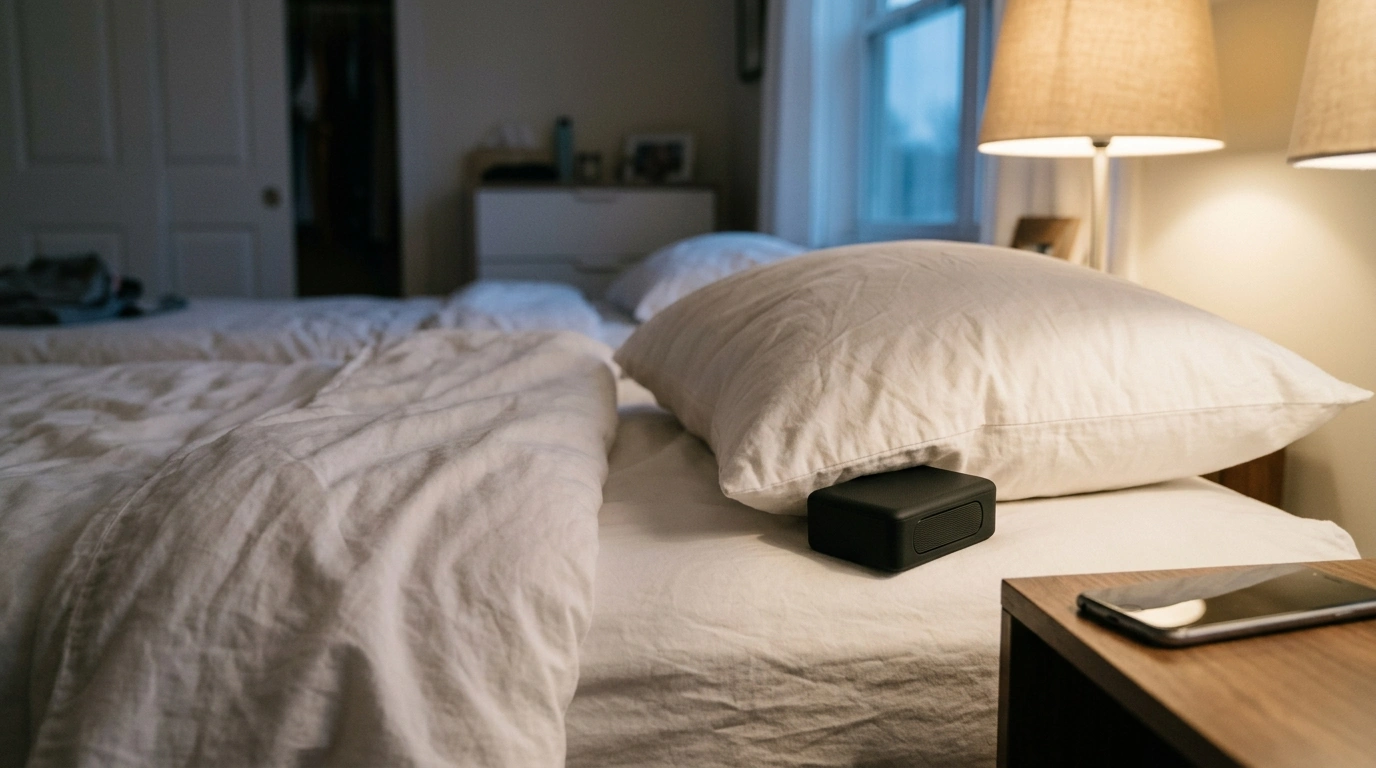
Pocket Bluetooth Speaker for Under-Pillow Listening: Bone Conduction Sleep Sound Box Guide
A pocket-sized Bluetooth sound box designed for under-pillow listening can make bedtime audio more personal without filling the whole room. This guide explains how under-pillow “bone conduction” style speakers work, what to expect from sound and comfort, and how to set one up for calmer nights and quieter shared spaces.
What an Under-Pillow Bone Conduction Sound Box Is
An under-pillow sound box is a compact Bluetooth speaker meant to sit under or beside a pillow and deliver audio in a more private way. Instead of projecting sound outward like a room speaker, it uses close placement and surface contact to make the audio easier for one person to hear at lower room volume.
- Compact Bluetooth speaker intended to sit under or beside a pillow, transmitting sound through contact and nearby surfaces rather than projecting loudly into the room.
- Often described as “bone conduction” in consumer listings, but typical under-pillow units rely on vibration transfer through the pillow/mattress more than true cheekbone conduction.
- Best suited for sleep sounds, audiobooks, podcasts, and low-to-moderate volume music where privacy matters.
- Common benefits: reduced disturbance for a partner, easy placement, and no earbud pressure for some sleepers.
If you’re comparing this approach to “true” bone conduction (the kind that sends sound through your skull bones), it helps to understand the difference. Medical and hearing-device explanations of bone conduction focus on vibrations transmitted through bone; an under-pillow speaker is usually closer to “surface conduction” through soft materials. For a straightforward overview of bone conduction mechanics, see the Cleveland Clinic’s explanation: Bone Conduction Hearing: How It Works.
How Sound Reaches You Through a Pillow
Under-pillow listening works because a speaker driver can create subtle vibrations that travel through pillow fill, fabric, and sometimes the mattress surface. You’re not “hearing through the pillow” as much as you’re picking up a blend of muffled airborne sound plus vibration cues that make speech rhythms and low-to-mid tones easier to follow.
- Vibration transfer: the speaker’s driver can create subtle vibrations that travel through pillow fill and fabric, making audio easier to perceive at lower room volume.
- Placement matters: closer contact (near the edge of the pillow, not directly under the ear) often improves clarity and comfort.
- Material effects: memory foam and denser pillows can dampen sound; softer fill can transmit vibrations more readily.
- Expectations: highs (like crisp consonants) may soften; spoken-word can remain clear if positioned well and volume is balanced.
A helpful mental model: this setup favors “pleasant and intelligible” over “studio crisp.” If your bedtime audio is primarily narration, rain sounds, or soft ambient tracks, the tradeoff can feel worth it—especially in a shared bedroom.
Quick Setup for Bedtime Use
Getting a small under-pillow Bluetooth speaker ready for nightly use is usually quick, but a few small tweaks make a big difference in comfort and spillover sound.
For white noise and why some people find it helpful for sleep, the Sleep Foundation offers a balanced overview: White Noise and Sleep.
Comfort, Safety, and Responsible Volume
For practical context on how loud sound can affect hearing over time, the NIDCD’s resource is a reliable starting point: Noise-Induced Hearing Loss.
When This Style Works Best (and When It Doesn’t)
Under-Pillow Speaker vs Other Bedtime Audio Options
| Option | Comfort for side sleepers | Privacy for partner | Typical sound clarity | Best for |
|---|---|---|---|---|
| Under-pillow vibration speaker | High (no in-ear pressure) | Medium–High | Medium | Sleep sounds, podcasts, low-volume listening |
| Earbuds | Low–Medium (pressure possible) | High | High | Maximum clarity, noisy rooms |
| Sleep headband speakers | Medium–High | Medium–High | Medium | All-night comfort with softer speakers |
| Room speaker/phone speaker | High | Low | Medium | Solo sleepers, ambient sound for the whole room |
Product Snapshot: Pocket Bluetooth Speaker – Under Pillow Bone Conduction Sleep Sound Box
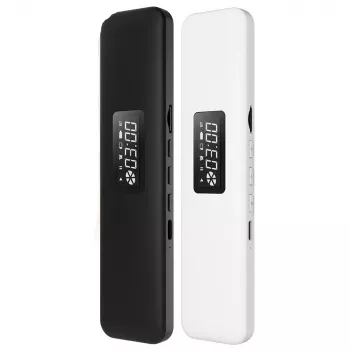
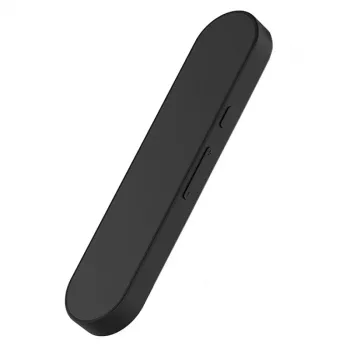
If you want to try under-pillow listening without committing to a full sleep-audio setup, a pocket-size sound box can be an easy entry point. The Pocket Bluetooth Speaker – Under Pillow Bone Conduction Sleep Sound Box is designed for discreet bedside placement and vibration-style listening through a pillow or nearby surfaces.
For an extra comfort add-on during wind-down time, the Electric Heating Foot Massager with Remote & Deep Kneading Therapy can pair well with a calm audio routine—especially if warm, relaxing sensations help you settle before lights out.
FAQ
Is an under-pillow “bone conduction” speaker the same as bone conduction headphones?
Not usually. Many under-pillow units labeled “bone conduction” mainly transmit vibration through the pillow and nearby surfaces, while bone conduction headphones are designed to send vibrations through the skull bones (typically near the cheekbones). In practice, under-pillow speakers feel more like gentle surface vibration with softer, less crisp sound.
Where should the speaker be placed under the pillow for the best sound?
Start along the pillow edge or a lower corner on your listening side, close enough to hear clearly but not directly under your ear. Small shifts—an inch or two—can change clarity a lot depending on pillow fill, so test placement at a low volume and adjust for comfort.
Can listening under a pillow be too loud even if it seems quiet in the room?
Yes. Because the audio source is close to your head, your ears may be getting more exposure than the room volume suggests. Begin at the lowest usable volume, increase gradually only if needed, and use a sleep timer so sound doesn’t run for hours at an unnecessary level.












Leave a comment